Your cart

From Ancient Adornment to Blue Nile: Why Humans Keep Giving Stones a Story

When people think about diamonds they usually picture a jewelry store or perhaps an engagement ring sitting inside a little velvet box. I have always found myself thinking much further back than that. Long before online retailers and grading reports there were people picking up unusual stones simply because they felt different from the rest.

My name is Freddy Lampoldowski and I have always enjoyed reading about archaeology almost as much as I enjoy following the modern diamond industry. At first those two interests seemed completely unrelated. Then one day it occurred to me that they are actually telling the very same human story from opposite ends of history.

Archaeologists often discover beads carved from shells animal teeth colorful minerals and polished stones that are thousands of years old. Nobody needed those objects to survive. People created them because they wanted to express something about themselves. That simple idea has survived remarkably well over the millennia.

Fast forward to today and millions of people are browsing websites like Blue Nile looking for engagement rings anniversary gifts and family heirlooms. The tools have changed dramatically but the motivation feels surprisingly familiar. We are still choosing objects that tell stories about who we are and what matters to us.

One thing I particularly enjoy about online diamond retailers is that they unintentionally create a snapshot of our own civilization. Future historians could probably spend weeks exploring today’s diamond inventories and learn quite a bit about modern tastes preferences technology and even our spending habits. It is almost like leaving behind a digital archaeological site for future generations.

Of course nobody knows exactly how people will view our era hundreds or even thousands of years from now. Perhaps they will wonder why round brilliant diamonds became so popular or why lab grown diamonds appeared so suddenly in the early twenty first century. Maybe they will laugh at some of our fashions just as we smile when looking at jewelry from centuries past.

That is exactly why I wanted to write this article. Instead of looking only at diamonds as luxury products I think it is much more interesting to see them as part of a much longer human tradition. From ancient adornment to modern platforms like Blue Nile we have never really stopped giving remarkable stones remarkable stories.

The First Jewelry Was Never Just Decoration

Whenever I see someone describe the first pieces of jewelry as “primitive decoration” I cannot help smiling a little. It feels like an oversimplification. If early humans invested hours carving shells drilling holes through stone or polishing bone there was probably a reason that went far beyond simply wanting to look fashionable.

Archaeologists have discovered shell beads that are well over 100,000 years old along with countless examples of ornaments made from animal teeth ivory bone amber and colorful minerals. These discoveries suggest that personal adornment appeared surprisingly early in human history and may have played an important role in expressing identity and belonging.

One of my favorite things about archaeology is that tiny objects often tell enormous stories. A simple bead can reveal trade routes craftsmanship social status and even long distance relationships between communities. Something that fits into the palm of your hand can completely reshape our understanding of an ancient civilization.

I also find it fascinating that many of these early materials were chosen because they stood out visually. Bright shells unusual stones deep red ochre and polished minerals naturally attracted attention. Humans have always been remarkably good at recognizing objects that feel special even before we fully understand why they capture our imagination.

That desire has never really disappeared. Thousands of years later we still search for stones that seem different from everything around them. The materials may have changed from seashells and carved bone to diamonds sapphires and emeralds but the underlying instinct feels surprisingly familiar.

Another interesting detail is that ancient jewelry was often passed down from one generation to the next. Long before written family histories existed an ornament could preserve memories of important people places and events. In a way jewelry became one of humanity’s earliest storytelling devices because every piece carried a history that extended far beyond its material value.

Modern archaeology continues to reinforce that idea. Some excavations uncover thousands of carefully crafted beads that clearly required enormous amounts of labor and planning. These were not casual decorations thrown together in an afternoon. They represented considerable investments of time skill and community resources.

That is one reason I enjoy comparing archaeology with today’s jewelry industry. Whether someone spends weeks carving a shell bead or months searching online for the perfect engagement ring the process usually involves much more than acquiring an object. It is about finding something that feels meaningful.

If you look closely enough the first necklace and the latest Blue Nile diamond ring are participating in the same tradition. They both transform an ordinary material from nature into something that represents love identity achievement or memory. The technology has evolved dramatically but the human motivation has remained remarkably consistent.

If this topic interests you I highly recommend reading National Geographic’s coverage of some of the world’s oldest known shell beads. It is a wonderful reminder that humanity’s relationship with meaningful adornment stretches back far further than most of us ever imagine.

Every Civilization Chose Stones That Meant Something

The more I read about archaeology the more I realize that civilizations rarely chose beautiful stones by accident. Whether it was color rarity durability or spiritual symbolism people consistently attached deeper meaning to the materials they carried and displayed. A gemstone was often a message long before it became a luxury item.

CIVILIZATIONS & GEMSTONES

How Great Civilizations Chose Their Signature Stones

A simplified historical overview showing how different societies attached meaning to remarkable materials.

Civilization Approx. Period Signature Stones Primary Symbolism
Ancient Egypt 3100–30 BC Lapis Lazuli • Carnelian • Turquoise Royalty • Protection • Divine Power
Mesopotamia 3500–539 BC Lapis Lazuli • Agate • Gold Status • Religion • Trade
Ancient Greece 800–146 BC Amethyst • Garnet • Pearl Beauty • Mythology • Prestige
Roman Empire 27 BC–476 AD Emerald • Sapphire • Garnet Authority • Wealth • Family
Ancient India Before 500 BC onward Diamond • Ruby • Sapphire Power • Prosperity • Royalty
Ancient China 2000 BC onward Jade Wisdom • Virtue • Longevity
Maya Civilization 2000 BC–1500 AD Jade • Obsidian Life • Sacred Rituals
Aztec Empire 1300–1521 AD Turquoise • Jade Leadership • Ceremony
Modern Global Market 2000–Present Diamond • Lab-Grown Diamond Love • Commitment • Innovation

Ancient Egypt is one of the best examples. Lapis lazuli turquoise carnelian and emeralds frequently appeared in jewelry worn by royalty and religious leaders. Lapis lazuli in particular traveled incredible distances from what is now Afghanistan which tells us that international trade networks were already remarkably sophisticated thousands of years ago.

The Roman Empire developed its own tastes as trade routes expanded across Europe North Africa and Asia. Garnets pearls emeralds and sapphires became increasingly popular among wealthy citizens while engraved gemstones were commonly worn as signet rings. Jewelry often communicated wealth political influence and family heritage at a glance.

India has one of the richest gemstone traditions anywhere in the world. Diamonds were collected there long before they became widely known elsewhere and rubies sapphires emeralds and pearls all played important roles in royal jewelry. Many of the world’s earliest famous diamonds passed through Indian kingdoms centuries before modern diamond cutting techniques existed.

Across ancient China jade occupied a very different place. Unlike many precious stones that symbolized wealth alone jade became associated with wisdom virtue purity and longevity. It was admired not only for its beauty but also for the philosophical values people connected to it.

The Maya and Aztec civilizations treasured jade as well while turquoise carried enormous cultural and ceremonial significance across many regions of Mesoamerica. Looking across continents it becomes clear that different civilizations often valued different materials but they all shared the instinct to assign meaning far beyond simple appearance.

That is one reason archaeologists become excited when they uncover even a small bead or carved pendant. These objects help reconstruct trade routes religious beliefs artistic traditions and social structures. As Smithsonian Magazine explains in its exploration of ancient trade networks valuable materials often traveled astonishing distances long before the modern world was connected by airplanes or container ships.

Looking at today’s diamond industry through that historical lens makes websites like Blue Nile feel like the latest chapter rather than something completely new. Instead of caravans transporting gemstones across deserts we have global logistics networks and online inventories connecting buyers with stones from around the world. The methods have changed dramatically but the fascination with remarkable materials remains remarkably familiar.

Perhaps that is what I enjoy most about studying both archaeology and modern jewelry. Thousands of years separate an Egyptian lapis pendant from a modern diamond engagement ring yet both exist because people wanted a beautiful object to represent something larger than itself. The story changes with every civilization but the human instinct behind it has hardly changed at all.

Blue Nile Shows That the Story Is Still Being Written

When I browse Blue Nile I sometimes catch myself thinking that I am looking at a modern archaeological collection rather than simply an online jewelry store. Every diamond has its own specifications its own certification and its own journey before eventually becoming part of somebody’s life story. Instead of displaying artifacts from the past the website is quietly showcasing objects that will become tomorrow’s family heirlooms.

What fascinates me most is how technology has become part of that story. Modern buyers can examine GIA and IGI grading reports view high resolution photographs rotate many diamonds through interactive imagery and compare countless characteristics without leaving home. A process that once required visits to several jewelers can now take place from a living room with a laptop and a cup of coffee.

Blue Nile itself has also entered a new chapter. Following the integration of James Allen into the Blue Nile platform shoppers can now browse the James Allen collection directly on the website. Rather than operating as two completely separate destinations the brands have become part of a broader shopping experience that reflects how the online diamond industry continues to evolve.

I also think today’s buyers ask different questions than previous generations. Alongside the traditional Four Cs many people now want to understand where a diamond comes from whether it is natural or lab grown how it was graded and even how it fits into their personal values. The story surrounding the stone has become almost as important as the stone itself and retailers have responded by providing far more information than ever before.

From an archaeological perspective I find that evolution surprisingly familiar. Ancient civilizations developed new techniques new trade routes and new artistic styles while still assigning deep meaning to precious materials. Modern technology has changed the way we discover and purchase diamonds but it has not changed the very human desire to celebrate important moments with something beautiful and lasting.

That is why I see Blue Nile as more than just another online retailer. It represents the latest chapter in a story that stretches back thousands of years. The tools have changed from hand carved beads and merchant caravans to digital inventories and grading reports but humanity is still doing what it has always done. We continue searching for remarkable stones because we continue wanting remarkable stories to tell.

Thousands of Years Later We Are Still Collecting Memories in Stone

The longer I think about it the more convinced I become that very little has changed over the past several thousand years. We still search for beautiful objects that help us remember important moments in life. The materials have become more refined and the shopping experience has moved online but the human motivation feels remarkably familiar. We are still collecting memories in stone.

One day an engagement ring becomes a family heirloom. Years later it might remind someone of a proposal a wedding an anniversary or even a grandparent they never had the chance to meet. That is exactly what fascinates archaeologists as well. Every artifact begins as an ordinary object in everyday life before slowly becoming a small piece of history waiting to be rediscovered. Browsing collections such as the Smithsonian’s historic jewelry collection makes it easy to appreciate how personal ornaments can preserve stories across generations.

I also enjoy thinking about how future archaeologists might interpret our own era. They may discover natural diamonds sitting beside lab grown diamonds and wonder why both became popular at the same point in history. They may study GIA and IGI grading reports as historical documents or examine old Blue Nile product pages to understand what buyers valued in the early twenty first century. The digital footprint we leave behind may become just as valuable as the jewelry itself.

Perhaps that is why I never see online diamond retailers as simply places to buy jewelry. Whether someone visits Blue Nile or another retailer they are usually searching for something that represents a relationship a milestone or a promise. The gemstone becomes meaningful because of the story people attach to it and that has been true for countless civilizations before us. Even recent archaeological discoveries continue to remind us that jewelry often carries deeply personal histories long after its original owner is gone. Smithsonian Magazine’s story about researchers identifying the wearer of a 20,000-year-old pendant is a wonderful example of how modern science can reconnect objects with human lives.

That may be my favorite lesson from archaeology. Civilizations rise and fall technologies evolve and marketplaces change but people continue looking for meaningful ways to celebrate life. Whether it was a carved shell bead thousands of years ago or a beautifully cut diamond today the object itself is only the beginning. The real treasure has always been the memories we choose to preserve.

So perhaps the next time you see a remarkable gemstone it is worth remembering that you are looking at more than a mineral. You are looking at the latest chapter in one of humanity’s oldest traditions. Thousands of years later we are still doing what our ancestors once did with shells polished stones and carved beads. We are still giving beautiful objects stories that outlive us.…
Why BlueNile Diamonds a Trustworthy Alternative to your Local Jeweler?

The traditional process of purchasing fine jewelry from a local jeweler has long been the standard. However, with the advent of online jewelers, consumers now have more options than ever before. Blue Nile, a prominent online jewelry retailer, has emerged as a trustworthy alternative to your local jeweler, offering a new and innovative way to shop for high-quality diamonds and fine jewelry. In this article, we will explore why Blue Nile diamonds are a reliable choice and how the company is reshaping the jewelry industry.


Why Blue Nile Diamonds Are a Trustworthy Alternative


  1. Extensive Selection: Blue Nile boasts one of the most extensive selections of diamonds and fine jewelry available online. This vast inventory ensures that customers can find the perfect piece to match their style, preferences, and budget.
  2. Transparent Pricing: Blue Nile is committed to transparent pricing, providing customers with detailed information about each diamond’s specifications and pricing. This transparency empowers buyers to make informed decisions without the pressure of in-person negotiations.
  3. Educational Resources: Blue Nile offers a wealth of educational resources to assist customers in their purchasing journey. These resources include comprehensive guides on diamond quality, cut, color, and clarity, enabling customers to become informed buyers.
  4. Certified Diamonds: All Blue Nile diamonds are certified by reputable gemological laboratories, ensuring that customers receive authentic and high-quality stones.
  5. User-Friendly Experience: Blue Nile’s user-friendly website makes it easy for customers to browse, customize, and design their jewelry. The intuitive interface allows for a seamless shopping experience.
  6. Competitive Prices: Blue Nile’s online business model allows them to offer competitive prices without the overhead costs associated with physical stores. Customers often find that they can get more value for their money.
  7. Flexible Returns Policy: Blue Nile offers a generous returns policy, giving customers peace of mind when making a significant purchase. This flexibility ensures that customers are satisfied with their selection.

Is It Safe to Buy from Blue Nile?

The world of online shopping has revolutionized the way we make purchases, offering convenience, choice, and competitive prices at our fingertips. When it comes to buying diamonds and fine jewelry, one name that often comes to mind is Blue Nile. It has built a strong reputation for providing high-quality products, a wide selection of diamonds and jewelry, as well as reliable customer service. Blue Nile is known for its transparent business practices and commitment to providing customers with detailed information about their products, including diamond specifications and certifications. However, it is always advisable to conduct your own research and due diligence before making any significant purchase. This includes checking recent customer reviews, understanding the return and warranty policies, and ensuring the security of your financial transactions. Additionally, verifying the authenticity of certifications and ensuring a secure delivery process can help mitigate any potential concerns.


Why Buying from Blue Nile is Safe:


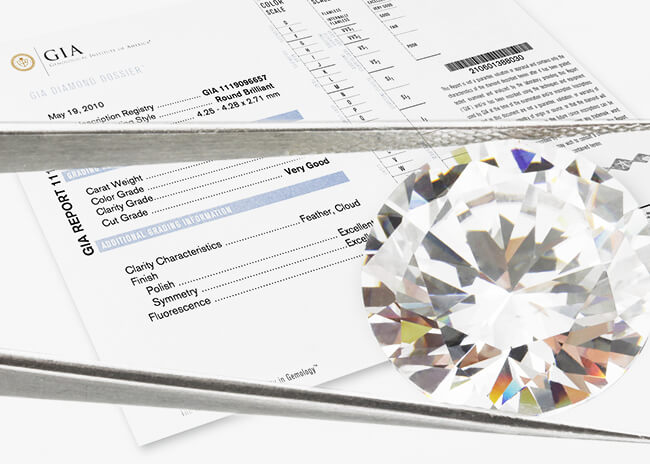
  1. Certified Diamonds: Blue Nile offers a wide selection of diamonds that come with certifications from renowned gemological laboratories like the Gemological Institute of America (GIA) and the International Gemological Institute (IGI). These certifications ensure the quality and authenticity of the diamonds you purchase.
    Certified Diamonds
  2. Transparent Pricing: Transparency is at the core of Blue Nile’s business model. When you browse their website, you’ll find comprehensive information about each diamond’s specifications, including cut, color, clarity, and carat weight, along with its price. This transparency empowers you to make well-informed decisions.
  3. Educational Resources: Blue Nile goes the extra mile to educate its customers. Their website is a treasure trove of educational resources, including guides on diamond quality and the 4Cs (cut, color, clarity, and carat weight). These resources help you understand the intricacies of diamond buying.
  4. Secure Shopping: Blue Nile prioritizes the security of its customers’ data and transactions. The company employs state-of-the-art encryption technology to safeguard sensitive information, ensuring a secure shopping experience.
  5. Generous Returns Policy: Blue Nile’s customer-centric approach includes a generous 30-day returns policy. If, for any reason, you are not satisfied with your purchase, you can return it within this timeframe for a refund or exchange, providing peace of mind for buyers.
  6. Customer Reviews: A quick online search reveals a multitude of customer reviews and testimonials attesting to Blue Nile’s reliability and customer satisfaction. These firsthand accounts from other buyers can provide valuable insights into the purchasing experience.


5 Ways To Save On Blue Nile

Shopping for diamonds and fine jewelry at Blue Nile can be a rewarding experience, and there are several ways to save on your purchases. Here are five effective strategies to help you get the best value while shopping at Blue Nile:


  1. Utilize Blue Nile Coupons and Promo Codes: Blue Nile frequently offers coupons and promo codes that can provide significant discounts on your purchases. Keep an eye out for these promotions on their website or sign up for their newsletter to receive exclusive offers and discounts directly to your inbox.
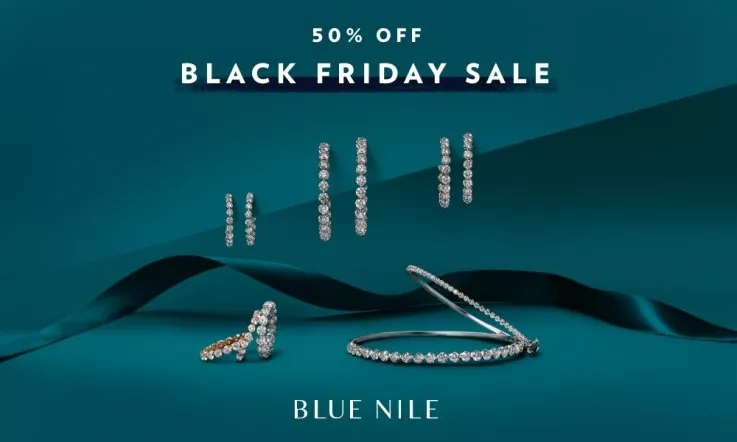
  2. Shop During Sales and Special Events: Blue Nile often hosts sales and special events, especially during key shopping periods like Black Friday, Cyber Monday, Valentine’s Day, and more. Shopping blue nile rings during these events can lead to substantial savings on diamonds and jewelry.
    Shop During Sales and Special Events on Blue Nile
  3. Consider Lab-Grown Diamonds: Lab-grown diamonds are generally more affordable than their natural counterparts while offering the same brilliance and beauty. Choosing a lab-grown diamond can significantly reduce the cost of your engagement ring or jewelry piece without compromising on quality.
  4. Select a Slightly Smaller Carat Weight: Opting for a diamond with a carat weight slightly below traditional full-carat increments (e.g., 0.90 carats instead of 1.00 carat) can result in noticeable cost savings while retaining a stunning appearance.
  5. Explore Alternative Metal Options: The choice of metal for your jewelry can impact the overall cost. Consider alternative metals like white gold or platinum to achieve a similar look while saving compared to more expensive options like 18k gold.


Conclusion

Blue Nile’s commitment to transparency, quality, and a seamless online shopping experience has positioned it as a trustworthy alternative to your local jeweler. With a vast selection of certified diamonds and fine jewelry, along with educational resources, Blue Nile has not only changed the way consumers shop for jewelry but has also set new industry standards. As technology and consumer preferences continue to evolve, Blue Nile remains at the forefront of the jewelry industry, providing a reliable and innovative platform for customers to find their perfect piece of jewelry.…

Lab Grown Diamonds | Pros and Cons

Lab-grown diamonds, also known as synthetic or cultured diamonds, have captured the hearts of conscious consumers and jewelry enthusiasts alike. Offering ethical and environmentally friendly options, these diamonds are more accessible than ever before. This article delves into the world of lab-grown diamonds, providing insights into the best choices for various styles and budgets, where to buy them, the pros and cons, and compelling reasons to make them your gem of choice.


The Best Lab-Grown Diamonds for Every Style and Budget

Lab-grown diamonds come in a diverse range of options to suit individual styles and preferences. Whether you’re looking for an engagement ring, a pair of earrings, or a pendant, here are some of the best lab-grown diamonds that cater to every style and budget:


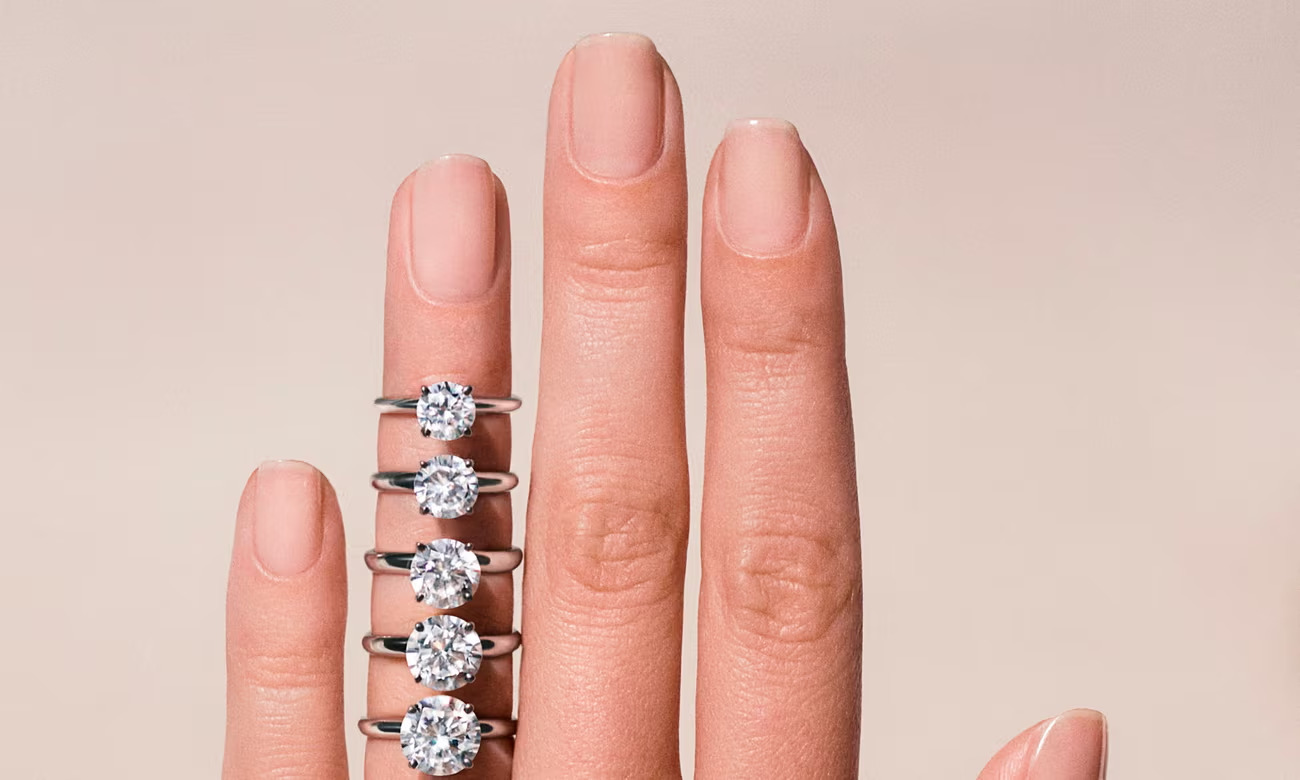
  1. Classic Solitaire: A timeless choice, the classic solitaire lab-grown diamond ring complements any style. Opt for a round-cut lab-grown diamond set in a simple, elegant setting for a sophisticated look.
  1. Vintage-Inspired: Vintage-inspired lab-grown diamond rings offer a touch of nostalgia and romance. Consider a lab-grown diamond with intricate filigree or floral details for a charming and unique design.
  1. Halo Settings: Lab-grown diamonds set in halo settings are known for their brilliance and size-enhancing effect. A halo of smaller lab-grown diamonds surrounding a larger center stone adds glamour and sparkle.
  1. Colored Diamonds: Lab-grown diamonds are available in a spectrum of colors, including vivid pinks, blues, and yellows. Colored lab-grown diamonds can be set as the center stone or accent stones for a bold and vibrant statement.
  1. Affordable Options: Lab-grown diamonds are generally priced 20-40% lower than their natural counterparts of similar quality. This affordability allows buyers to choose larger or higher-quality lab-grown diamonds that fit their budget.


The 7 Best Places to Buy Lab-Grown Diamonds in 2023

To ensure you receive the best value and quality, it’s important to purchase lab-grown diamonds from reputable sources. Here are the top five places to buy lab-grown diamonds in 2023:


  1. James Allen: James Allen is renowned for its vast selection of lab-grown diamonds, offering a wide range of shapes, sizes, and settings. Their user-friendly website includes detailed 360-degree images, allowing you to inspect each diamond closely before making a decision.
  2. Blue Nile: Blue Nile has been a trusted name in the diamond industry for years and offers an impressive collection of lab-grown diamonds. They are committed to ethical sourcing and provide a variety of customization options for your jewelry.
  3. Brilliant Earth: Brilliant Earth is dedicated to ethical and sustainable practices, and their lab-grown diamonds come with detailed sourcing information. They offer an array of customizable designs, allowing you to create a unique piece.
  4. Clean Origin: Clean Origin specializes in lab-grown diamonds and offers a straightforward shopping experience with competitive pricing. They prioritize quality and transparency, making it a reliable choice for consumers.
  5. Ada Diamonds: For those seeking luxury and customization, Ada Diamonds is a top-notch option. They are known for their high-quality lab-grown diamonds and offer bespoke jewelry designs that cater to your preferences.
  6. Diamond Foundry: Diamond Foundry is committed to sustainability and offers a selection of lab-grown diamonds with excellent craftsmanship. They focus on traceability and transparency in their sourcing.Diamond Foundry
  7. Miadonna: Miadonna is a socially responsible company that offers a range of lab-grown diamonds. They also specialize in creating stunning lab-grown diamond engagement rings and bridal jewelry.


Pros and Cons of Lab-Grown Diamonds

Pros:


  1. Ethical Sourcing: Lab-grown diamonds are inherently conflict-free, making them a responsible choice for conscientious consumers.
  2. Environmental Sustainability: The production of lab-grown diamonds has a lower environmental impact compared to diamond mining, reducing habitat disruption and carbon emissions.
  3. Affordability: Lab-grown diamonds are typically more affordable than natural diamonds of similar quality, allowing buyers to maximize their budget.
  4. Quality Control: Lab-grown diamonds undergo rigorous quality control measures, resulting in consistent quality and fewer imperfections.


Cons:

  1. Perceived Rarity: Lab-grown diamonds lack the intrinsic rarity of natural diamonds, which some buyers may value for sentimental reasons.
  2. Limited Size: Lab-grown diamonds are currently limited in size, with larger stones being more challenging and expensive to produce.


10 Reasons to Buy a Lab-Grown Diamond

Investing in a lab-grown diamond comes with numerous advantages that appeal to conscientious consumers and those seeking high-quality, sustainable alternatives to traditional mined diamonds. Here are 10 compelling reasons to buy a lab-grown diamond:

10 Reasons to Buy a Lab-Grown Diamond

  1. Ethical Sourcing: Lab-grown diamonds are inherently conflict-free. They are not associated with regions known for conflict diamonds, ensuring your purchase supports ethical practices.
  2. Environmental Responsibility: The production of lab-grown diamonds has a significantly lower environmental impact compared to diamond mining. It reduces habitat disruption, water usage, and carbon emissions.
  3. Affordability: Lab-grown diamonds are typically 20-40% less expensive than natural diamonds of similar quality, allowing you to select larger or higher-quality stones within your budget.
  4. Quality Assurance: Lab-grown diamonds undergo stringent quality control measures, resulting in consistent quality and fewer imperfections, ensuring a beautiful and flawless gem.
  5. Diverse Options: Lab-grown diamonds come in various shapes, sizes, colors, and clarity grades, providing a wide range of choices to suit individual styles and preferences.
  6. Transparency: Reputable sellers provide detailed information about the origin and characteristics of lab-grown diamonds, offering transparency and peace of mind to buyers.
  7. Customization: Lab-grown diamonds can be used in custom jewelry designs, allowing for unique and personalized pieces that hold sentimental value.
  8. Innovation: Lab-grown diamonds are at the forefront of technological advancements in the jewelry industry, representing the future of sustainable luxury.
  9. Growing Market: As the market for lab-grown diamonds expands, more options become available, enhancing choice and competition, resulting in better value for consumers.
  10. Sustainable Fashion: Supporting lab-grown diamonds aligns with a sustainable and forward-thinking approach to fashion and jewelry, reflecting conscious consumer choices.

By choosing lab-grown diamonds, consumers not only benefit from their ethical and environmental advantages but also access a world of stunning and affordable gemstones that cater to their individual style and values. These diamonds represent a shift towards responsible and sustainable luxury, making them an appealing choice for modern consumers.


Conclusion

Lab-grown diamonds offer a wealth of options for consumers, catering to various styles and budgets. With the increasing availability and ethical advantages they offer, lab-grown diamonds are gaining popularity and reshaping the future of the diamond industry. Whether you seek a classic solitaire or a unique-colored gem, lab-grown diamonds provide an ethical and sustainable choice for those who appreciate both beauty and conscience in their jewelry selections.…

Growing Diamonds | A Sustainable Alternative to Diamond Mining?

For centuries, natural diamonds have symbolized luxury, romance, and timeless beauty. However, the traditional diamond mining industry has raised concerns about environmental impact, ethical issues, and labor practices. In response, the world of diamonds has witnessed a sparkling rise in lab-grown diamonds, offering an ethical and sustainable alternative to diamond mining. This article explores the emergence of lab-grown diamonds, their potential as a sustainable solution, and the captivating science behind their creation.


The Sustainable Alternative

Lab-grown diamonds, also known as synthetic or cultured diamonds, represent a revolutionary shift in the diamond industry. These diamonds are meticulously crafted in controlled laboratory environments using cutting-edge technology. While they share the same physical, chemical, and optical properties as natural diamonds, their ethical and environmental advantages are transforming the industry landscape.


  1. Ethical Sourcing:
  • Conflict-Free: Lab-grown diamonds are inherently conflict-free. They are not associated with regions plagued by conflict diamonds, which have funded armed conflicts and human rights abuses. This quality ensures that consumers can enjoy the elegance of diamonds without ethical reservations.


  1. Environmental Sustainability:
  • Reduced Carbon Footprint: The production of lab-grown diamonds consumes fewer resources and generates fewer carbon emissions compared to traditional diamond mining. This reduction in environmental impact aligns with the growing demand for eco-conscious choices.


  1. Transparency and Traceability:
  • Detailed Certifications: Lab-grown diamonds often come with detailed certifications, providing consumers with information about the diamond’s quality and origin. This transparency empowers buyers to make informed choices.


  1. Positive Consumer Sentiment:
  • Growing Acceptance: Lab-grown diamonds are gaining acceptance among consumers who prioritize ethical and sustainable options. This trend has contributed to a positive perception of lab-grown diamonds in the market.


Inside the Science of Growing Diamonds

The science behind growing diamonds in a laboratory is a remarkable blend of cutting-edge technology, precise control over extreme conditions, and meticulous attention to detail. It involves replicating the natural processes that occur deep within the Earth’s mantle where diamonds are formed. Two primary methods are used for growing diamonds in a laboratory setting: High-Pressure, High-Temperature (HPHT) and Chemical Vapor Deposition (CVD).


  1. High-Pressure, High-Temperature (HPHT) Process:
  • Seeding: The HPHT process begins with a small diamond seed, often a flat, disc-shaped piece of natural diamond. This seed serves as the foundation for the growing diamond.
  • Extreme Conditions: The diamond seed, along with a carbon source material, usually in the form of graphite, is placed in a growth chamber. The chamber is then subjected to extreme conditions, mimicking those found deep within the Earth’s mantle.
  • High Pressure: In the chamber, pressure levels can reach as high as 725,000 pounds per square inch (50,000 atmospheres). This extreme pressure, combined with high temperature, facilitates the transformation of carbon atoms in the graphite into a diamond crystal structure.
  • High Temperature: Temperatures inside the chamber can exceed 2,200 degrees Celsius (4,000 degrees Fahrenheit). This intense heat and pressure cause carbon atoms to crystallize onto the diamond seed’s surface, layer by layer, forming a new diamond.
  • Cooling: Once the diamond has reached the desired size, the chamber is slowly cooled to stabilize the newly grown diamond.

High-Pressure, High-Temperature (HPHT)


  1. Chemical Vapor Deposition (CVD) Process:
  • Diamond Seed: Similar to the HPHT method, the CVD process also begins with a diamond seed, often a small, flat plate.
  • Gas Mixture: In a vacuum chamber, a mixture of hydrocarbon gases, typically methane, and hydrogen is introduced. This gas mixture is then broken down into its constituent atoms.
  • Plasma Activation: The gas mixture is exposed to highly energetic plasma, which is created by heating the gas through microwave or radio frequency energy. This plasma dissociates the carbon and hydrogen atoms.
  • Diamond Growth: Carbon atoms from the dissociated hydrocarbon gases settle layer by layer onto the surface of the diamond seed. Over a period of several weeks, this process results in the growth of a diamond with high purity and quality.
  • Controlled Growth: Precise control over various factors, including temperature, pressure, gas composition, and deposition rate, is essential to achieve high-quality CVD-grown diamonds.


Advancements in Diamond Growing Science:

The science of growing diamonds is a continuously evolving field. Researchers and engineers are dedicated to improving the efficiency, scalability, and quality of lab-grown diamonds. Key advancements include:

  • Enhanced Growth Processes: Researchers are refining the HPHT and CVD processes to achieve faster and more cost-effective diamond growth. This has led to increased availability and affordability of lab-grown diamonds.
  • Quality Improvement: Continuous research is focused on improving the quality of lab-grown diamonds, with a particular emphasis on achieving exceptional clarity and color, which are essential factors for gemstone quality.
  • Scalability: Scientists are working to scale up diamond production, making it more accessible to consumers and industries that rely on diamonds for various applications.
  • Innovative Applications: Beyond jewelry, lab-grown diamonds are finding applications in cutting-edge technologies, such as quantum computing and laser technologies, where their exceptional properties are highly valued.


The Future of Diamonds

Lab-grown diamonds are not merely an alternative; they represent a paradigm shift in the way we perceive and acquire one of nature’s most exquisite creations. As consumers become increasingly conscious of their choices, lab-grown diamonds are carving a niche as the sustainable future of the diamond industry.


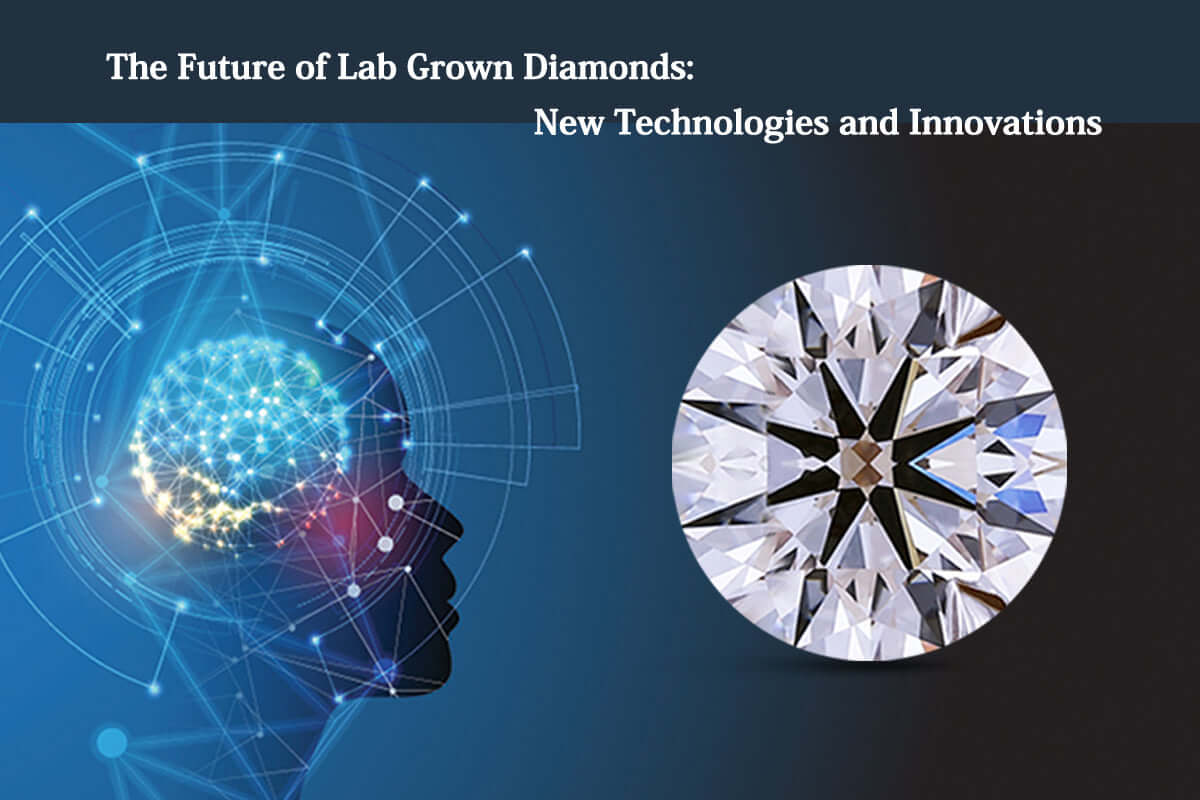
Advancements in Technology: The relentless pursuit of perfection has driven continuous advancements in the science of growing diamonds. Researchers and engineers are constantly refining the HPHT and CVD processes, striving for greater efficiency, scalability, and diamond quality.

Advancements in Technology

Innovation in Applications: Lab-grown diamonds are not limited to the jewelry industry. Their exceptional hardness, thermal conductivity, and purity make them valuable materials for various applications. They are used in electronics, optics, cutting tools, and more, showcasing their versatility and potential for innovation.


Consumer Empowerment: Transparency and traceability are becoming increasingly important for consumers. The certifications and detailed information accompanying lab-grown diamonds empower buyers to make informed decisions, aligning their values with their purchases.


An Evolving Market: The market for lab-grown diamonds is dynamic and evolving. More jewelers and retailers are offering lab-grown options, expanding the availability and variety of these diamonds. This increased competition is likely to drive further innovation and affordability.


Conclusion

Lab-grown diamonds are redefining the diamond industry by offering an ethical, sustainable, and environmentally conscious alternative to traditional diamond mining. The science behind growing diamonds in a laboratory setting is a testament to human innovation and technological progress. As the world embraces ethical and eco-friendly practices, lab-grown diamonds are poised to shine brightly as a beacon of sustainable luxury and responsible beauty.…

Enjoy Sustainable Archaeology and Blue Nile Diamond Reviews: A Fusion of the Ancient and the Sparkling

Welcome to Sustainable Archaeology and Blue Nile Diamond Reviews: A Fusion of the Ancient and the Sparkling By Freddy Lampoldowski

Greetings and warm welcomes to all who’ve stumbled upon this treasure trove of knowledge! As Freddy Lampoldowski, I am elated to introduce you to a unique platform where the alluring realms of archaeology and gemology intertwine. Here, we’ll journey through time, exploring ancient worlds buried beneath our feet, and simultaneously navigate the sparkling universe of Blue Nile diamonds and their reviews. At first glance, these subjects might seem worlds apart, but as we venture together, you’ll see the golden thread connecting them.

Delving into Sustainable Archaeology

Sustainable archaeology isn’t just about digging up relics of the past. It’s a philosophy, a commitment to preserving history while ensuring we’re not causing harm or depleting our planet’s resources. Here are some facets we will be exploring:

  1. Eco-friendly Excavations: We’ll discuss the best practices in archaeology that prioritize environmental safety. From utilizing solar-powered equipment to the recycling of materials on dig sites, discover how the field is evolving.
  2. Digital Documentation: 3D scanning, virtual reality simulations, and other digital tools are revolutionizing how we document and share archaeological finds. This digital approach minimizes physical intervention, ensuring the preservation of sites for future generations.
  3. Community Engagement: Sustainable archaeology emphasizes involving local communities in the discovery and preservation process. We’ll share heartwarming stories of communities reconnected with their ancestors and traditions.

The Allure of Blue Nile Diamonds

Blue Nile, renowned as one of the premier online retailers of diamonds and fine jewelry, stands as a beacon in the vast gemological expanse. Here’s what you can expect as we delve into this glittering domain:

  1. Decoding Gemology: Before we jump into reviews, it’s vital to arm oneself with knowledge. We’ll demystify the 4 Cs of diamonds (Cut, Color, Clarity, Carat), delve into diamond shapes, settings, and more. Understanding these will allow you to appreciate the true value and quality of Blue Nile’s offerings.
  2. Honest Reviews: Our platform promises unbiased and thorough reviews of Blue Nile diamonds. From engagement rings to earrings, each piece will be scrutinized for quality, craftsmanship, and value. These reviews aim to guide you in making informed decisions for your significant purchases.
  3. Behind the Scenes: Gain insights into the ethical sourcing practices of Blue Nile. We’ll explore their commitment to conflict-free diamonds, their involvement in community upliftment, and their dedication to sustainability.

Why Sustainable Archaeology and Blue Nile Diamonds Together?

You might wonder about the synergy between sustainable archaeology and Blue Nile diamond reviews. The common ground is our collective past and future. Both domains hold a mirror to humanity’s journey. While archaeology unveils our history, the journey of a diamond, from its formation deep within the Earth to its final refined form, is equally captivating. Furthermore, just as sustainable archaeology is about preserving the past responsibly, responsible gem sourcing, as championed by companies like Blue Nile, ensures a brighter future for our planet and its inhabitants.

Bridging the Gap

The world of gems, particularly diamonds, holds historical significance. Civilizations from time immemorial have revered these sparkling stones, attributing them with mystical powers, using them as royal insignia, and integrating them into cultural rituals. On our platform:

  • We’ll explore the ancient tales associated with diamonds and gemstones.
  • Dive into archaeological findings where diamonds played a pivotal role.
  • Understand the socio-economic impact of diamond trade across centuries.

A Journey of Continuous Learning

Every post, review, and article on this website is a step towards enhancing our understanding. As we move forward:

  • We encourage active participation. Share your stories, experiences, and insights. Whether you’ve been on an archaeological dig or recently purchased a Blue Nile diamond, your perspective is invaluable.
  • Guest experts from both fields will occasionally grace our platform, providing deeper insights, answering queries, and guiding us on specific topics.
  • Exciting webinars, interactive Q&A sessions, and virtual tours of archaeological sites and diamond mines are on the horizon. So, stay tuned!

In conclusion, whether you’re an aspiring archaeologist, a gem enthusiast, or someone looking for genuine Blue Nile reviews, you’re in the right place. As Freddy Lampoldowski, I am thrilled to be your guide, curator, and fellow enthusiast on this eclectic journey. Together, let’s explore, learn, and celebrate the magic of our past and the sparkle of our present.

Here’s to many enlightening discoveries and to the mesmerizing world of Sustainable Archaeology and Blue Nile Diamond Reviews. Welcome aboard!…